

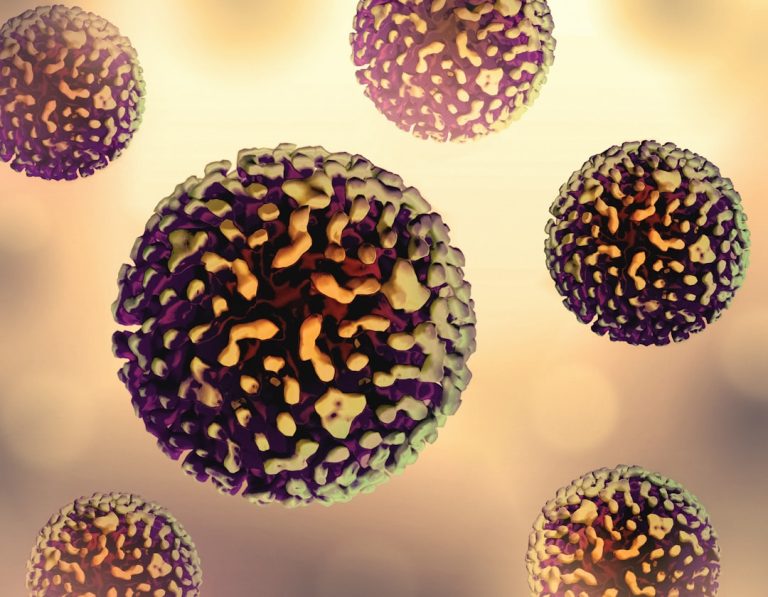
Pygeum africanum, derived from the bark of the African plum tree, is a lipophilic extract used for more than five decades in European urology to manage the lower urinary tract symptoms (LUTS) of benign prostatic hyperplasia (BPH). Its active constituents — phytosterols, pentacyclic triterpenes, and ferulic acid esters — give it a pharmacology distinct from alpha-blockers and 5-alpha reductase inhibitors, with anti-androgenic, anti-inflammatory, anti-proliferative, and bladder-protective effects.
The clinical evidence is robust. A Cochrane meta-analysis pooling 18 randomized trials and 1,562 men found that those taking Pygeum were more than twice as likely to report overall symptom improvement compared with placebo, with a 19% reduction in nocturia, a 24% reduction in residual urine volume, and a 23% increase in peak urinary flow (Ishani et al., 2000). A multicenter European trial reported statistically significant improvements in IPSS, quality of life, urinary flow, and post-void residual volume
after eight weeks of 50 mg twice daily, with benefit persisting one month after discontinuation (Breza et al., 1998). Adverse event rates across trials are comparable to placebo.
For the hormonally complex midlife male, Pygeum offers dual enzymatic action particularly relevant to BHRT patients. In vitro work demonstrates concentration-dependent inhibition of both 5-alpha reductase and aromatase, addressing DHT-driven prostatic hyperplasia and the rising estradiol-to-testosterone ratio common in aging men (Hartmann et al., 1996). It also suppresses 5-lipoxygenase activity and reduces IL-6 release from stimulated immune cells, supporting its role as a meaningful anti-inflammatory in the chronically inflamed prostate (Villar et al., 2024). Pygeum further exerts antiproliferative effects on prostatic stromal cells and protects detrusor muscle function, addressing the bladder side of the LUTS picture that prostate-focused therapies often miss.
Pygeum is best understood as one tool for supporting prostate and urinary health in men who often also need hormonal evaluation and optimization. Symptomatic BPH frequently coexists with declining testosterone, elevated SHBG, and rising estradiol, and addressing those hormonal drivers remains central to comprehensive care. Notably, Pygeum is free of the sexual side effects associated with finasteride and tamsulosin, and double-blind data suggest modest improvement in erectile capacity in men with BPH or prostatitis — a meaningful clinical advantage in this patient population.
Clinical Note (Dosing):
Most clinical trials use 50 mg twice daily or 100 mg once daily, with comparable efficacy between the two regimens (Chatelain et al., 1999). Sustained benefit typically emerges by week four to eight. Combination phytotherapy formulas pairing Pygeum with saw palmetto and stinging nettle root are widely used and may offer synergistic benefit.
Safety Considerations:
Pygeum is well tolerated, with mild gastrointestinal upset the most commonly reported adverse effect at rates comparable to placebo. No clinically significant herb-drug interactions are well established. Pygeum does not lower PSA, so it does not mask prostate cancer surveillance — but it also does not treat malignancy, and age-appropriate prostate evaluation should precede attribution of symptom relief to any supplement. Prunus africana is a CITES-listed species due to overharvesting; sustainably sourced, professional-grade products are preferred.
Key References
- Ishani A, MacDonald R, Nelson D, Rutks I, Wilt TJ. Pygeum africanum for the treatment of patients with benign prostatic hyperplasia: a systematic review and quantitative meta-analysis. Am J Med. 2000;109(8):654–664.
- Breza J, Dzurny O, Borowka A, et al. Efficacy and acceptability of tadenan (Pygeum africanum extract) in the treatment of benign prostatic hyperplasia (BPH): a multicentre trial in central Europe. Curr Med Res Opin. 1998;14(3):127–139.
- Chatelain C, Autet W, Brackman F. Comparison of once and twice daily dosage forms of Pygeum africanum extract in patients with benign prostatic hyperplasia: a randomized, double-blind study, with long-term open label extension. Urology. 1999;54(3):473–478.
- Hartmann RW, Mark M, Soldati F. Inhibition of 5α-reductase and aromatase by PHL-00801, a combination of PY102 (Pygeum africanum) and UR102 (Urtica dioica) extracts. Phytomedicine. 1996;3(2):121–128.
- Villar A, Silva-Fuentes F, Mulà A, Zangara A. Anti-inflammatory potential of Pygeum africanum bark extract: an in vitro study of cytokine release by lipopolysaccharide-stimulated human peripheral blood mononuclear cells. Int J Mol Sci. 2024;25(15):8298.
