

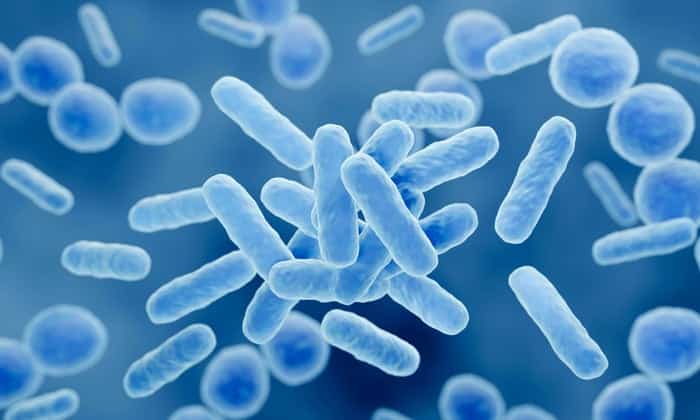
Akkermansia muciniphila is a beneficial bacterium that naturally lives in the gut’s mucus layer, making up about 1-5% of healthy gut bacteria. It’s being called a “next-generation probiotic” and has gained significant attention for metabolic health.
Research findings on weight loss:
Human Studies:
A key 2019 clinical trial (Depommier et al., Nature Medicine) found that pasteurized Akkermansia supplementation in overweight/obese people over 3 months resulted in:
- Improved insulin sensitivity (28% improvement)
- Reduced insulinemia (34% reduction)
- Decreased total cholesterol (9% reduction)
- Modest body weight reduction (about 2.3 kg)
- Small decreases in fat mass and hip circumference
A very recent 2025 study found the effectiveness depends on baseline gut levels – participants with low baseline Akkermansia showed significant improvements in body weight, fat mass, and blood sugar control, while those with higher baseline levels showed minimal response.
Animal Studies:
Numerous studies in mice show Akkermansia supplementation reduces body weight gain, fat mass, improves glucose tolerance, and reduces inflammation.
How it may work:
- Strengthens gut barrier function and reduces intestinal permeability
- Helps produce GLP-1 (the “fullness hormone” targeted by weight-loss drugs)
- Reduces metabolic inflammation
- Improves glucose and fat metabolism
Important considerations:
The European Food Safety Authority (EFSA) has approved pasteurized Akkermansia a safe for use as a novel food supplement. However, research notes potential concerns in certain conditions like inflammatory bowel disease, and its long-term safety profile is still being studied. Several commercial products are now available, typically containing pasteurized (not live) Akkermansia, which research suggests may actually be more effective than live bacteria.
Citation:
Depommier, C., et al. (2019). Supplementation with Akkermansia muciniphila in overweight and obese human volunteers: a proof-of-concept exploratory study. Nature Medicine, 25(7), 1096-1103.
