

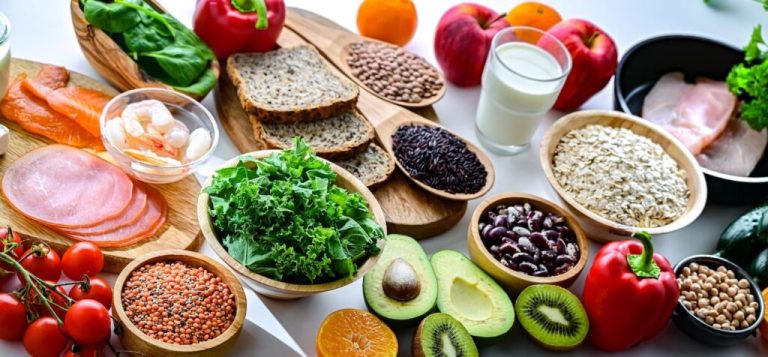
This month we’re taking a broader look. Instead of highlighting just one nutrient, here are several evidence-backed supplements and food-based compounds that support breast health and may lower breast cancer risk.
- Flaxseed (lignans): In a randomized controlled trial, 25 g/day of ground flaxseed incorporated into muffins for ~5 weeks led to reduced tumor proliferation (Ki-67), increased apoptosis, and favorable biomarker changes in women with breast cancer awaiting surgery (Clin Cancer Res, 2005).
- Soy isoflavones: Meta-analysis of 81 prospective cohorts showed that every additional 10 mg/day of isoflavones was associated with a 4% lower overall cancer incidence (Nutrients, 2022). Breast cancer–specific analyses demonstrate lower incidence in Asian populations and reduced recurrence overall (Breast Cancer Res Treat, 2010).
- Green Tea (EGCG): The Minnesota Green Tea Trial tested ~843 mg/day EGCG for one year in high-risk women. While overall mammographic density didn’t change, women aged 50–55 had a significant 4.4% reduction in breast density, a risk-relevant biomarker (Cancer Prev Res, 2017).
- Cruciferous vegetables (Sulforaphane): In women awaiting breast biopsy, supplementation with broccoli-sprout glucoraphanin for 2–8 weeks led to reduced Ki-67 and HDAC3 expression in benign breast tissue, markers linked to lower proliferation (Cancer Prev Res, 2015).
- Marine Omega-3s (EPA/DHA): A meta-analysis of 21 prospective cohorts found that higher intake of marine omega-3s was associated with a 14% lower risk ofbreast cancer, with ~5% lower risk for every 0.1 g/day EPA+DHA consumed (BMJ, 2013).
- Vitamin D: Large randomized trials and meta-analyses show no reduction in breast cancer incidence, but vitamin D supplementation is linked to lower total cancer mortality and remains critical for bone and immune health (Crit Rev Food Sci Nutr, 2022).
- Melatonin: Prospective studies link lower melatonin levels to higher breast cancer risk (Am J Epidemiol, 2014). RCTs in breast cancer patients show melatonin supports sleep, fatigue, and cognition, though prevention data are still emerging.
- Indole-3-carbinol (I3C) / DIM: In a small RCT, a formula containing I3C and lignans improved estrogen metabolism (higher 2:16α-OHE ratio), suggesting a shift toward less proliferative estrogen pathways (BMC Complement Altern Med, 2011).
- Mediterranean Diet + Olive Oil: In a secondary analysis of the PREDIMED trial, women randomized to a Mediterranean diet enriched with extra-virgin olive oil had a ~68% lower incidence of breast cancer compared with a low-fat diet over 5 years (JAMA Intern Med, 2015).
Clinical Takeaway:
Food-first approaches (flax, soy, crucifers, EVOO, green tea, fish) offer the most consistent evidence, while supplements (I3C, EGCG extracts, melatonin) may be considered in select patients with monitoring. Combined with
exercise and weight management, these strategies help shift breast tissue biology toward protection rather than proliferation.
