

 Save My Free Seat
Supplement Spotlight – November (Alzheimer’s Awareness Month)

Brain aging begins decades before the first missed word. A functional medicine approach asks what the brain needs to build membranes, make neurotransmitters, calm inflammation, and keep methylation running—then supplies it. This month we look at five supplements with published human data on memory and cognitive aging. Each supports a whole-person plan alongside hormone […]
Supporting Breast Health: Five Supplements Worth Knowing

Breast health belongs in every hormone conversation. Patients who begin hormone therapy often ask what else they can do to support breast tissue—and they deserve answers grounded in evidence, not marketing. This month we look at five supplements with published human data relevant to breast health. The strength of that evidence varies widely, and we […]
Lactobacillus Probiotics

Lactobacillus Probiotics (L. crispatus, L. rhamnosus GR-1, L. reuteri RC-14) The vaginal microbiome is one of the few microbial ecosystems in the body under direct hormonal control. Estrogen drives glycogen deposition in the vaginal epithelium, glycogen feeds Lactobacillus species, and those organisms generate lactic acid and hydrogen peroxide that hold vaginal pH near 3.8–4.5. That […]
Marine Collagen Peptides
Marine collagen peptides are low-molecular-weight, hydrolyzed fragments of fish-derived Type I collagen that are readily absorbed and act as bioactive signaling peptides, supplying the amino acids (glycine, proline, hydroxyproline) used in connective-tissue synthesis. The most robust and consistent clinical evidence is dermatologic: pooled randomized trials show measurable improvements in skin hydration, elasticity, and wrinkle depth […]
Creatine Monohydrate
Creatine monohydrate is among the most extensively studied dietary supplements, functioning as a cellular energy substrate that regenerates ATP through the phosphocreatine system in tissues with high energy demand, including skeletal muscle and the brain. Its best-established clinical value is the preservation and accrual of lean body mass, muscle strength, and functional capacity, particularly when […]
Pygeum (Pygeum africanum / Prunus africana)

Pygeum africanum, derived from the bark of the African plum tree, is a lipophilic extract used for more than five decades in European urology to manage the lower urinary tract symptoms (LUTS) of benign prostatic hyperplasia (BPH). Its active constituents — phytosterols, pentacyclic triterpenes, and ferulic acid esters — give it a pharmacology distinct from […]
Melatonin
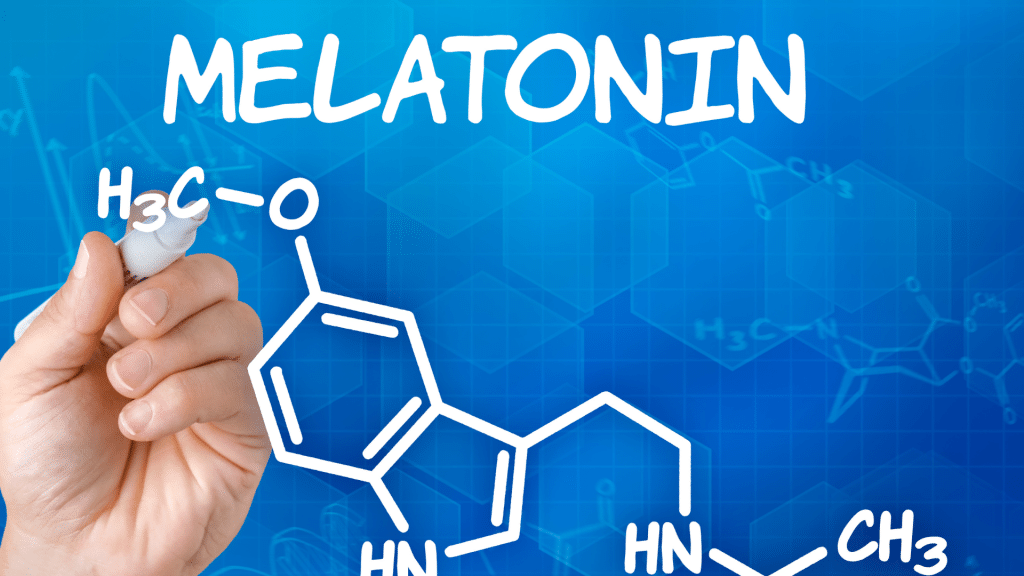
Melatonin is far more than a sleep supplement. Produced in the pineal gland, gut, immune cells, and within the mitochondria of virtually every cell, it functions as a master circadian regulator, potent antioxidant, and key participant in metabolic, immune, and reproductive health. For BHRT providers, its clinical significance extends well beyond sleep support: melatonin production […]
Phosphatidylserine

Phosphatidylserine (PS) is a naturally occurring phospholipid found in virtually every cell in the body, with its highest concentration in the brain and adrenal cortex — two of the most metabolically active tissues in the stress response. As a structural component of cell membranes, PS supports membrane fluidity and the signaling architecture that governs how […]
B-Complex Vitamins
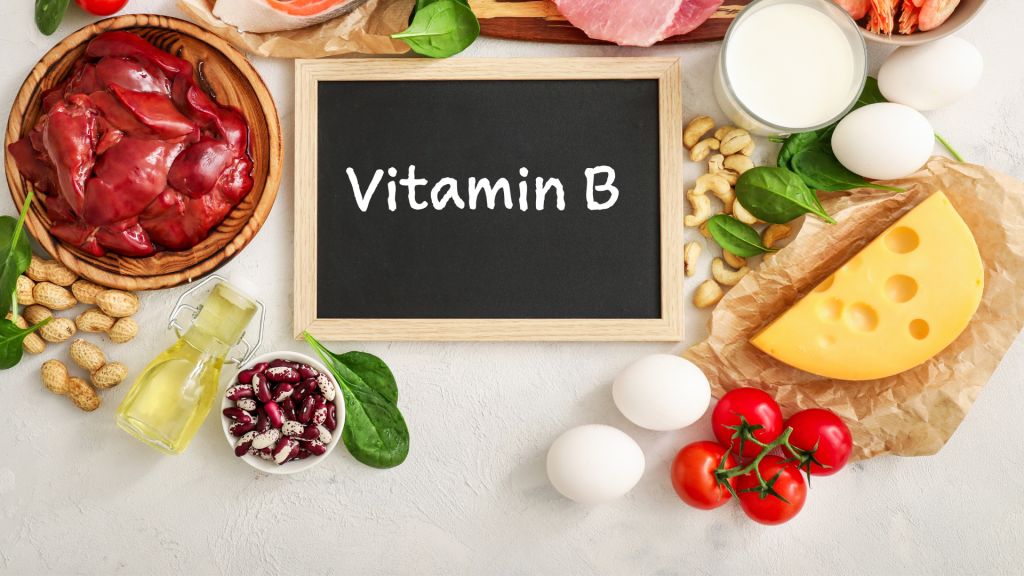
B-complex vitamins — a group of eight essential water-soluble nutrients including B1 (thiamine), B2 (riboflavin), B3 (niacin), B5 (pantothenic acid), B6 (pyridoxine), B7 (biotin), B9 (folate), and B12 (cobalamin) — are frequently categorized as “energy vitamins,” but within hormone medicine their clinical importance extends far beyond energy production. These vitamins function as metabolic cofactors that […]
Omega-3 Fatty Acids (EPA/DHA)

Omega-3 fatty acids, specifically eicosapentaenoic acid (EPA) and docosahexaenoic acid (DHA), are foundational nutrients for improving insulin sensitivity, reducing systemic inflammation, and supporting patients with metabolic syndrome—clinical patterns commonly seen in both men and women seeking hormone optimization. Beyond their metabolic effects, EPA and DHA provide clinically meaningful cardiovascular support through triglyceride reduction, improvement in […]
